

Key Takeaways
Why most home budgets fall apart
Home repair spending catches most families off guard because it is irregular, not monthly. A furnace dies in January, a roof starts leaking in March, and a fence blows down in July. None of these fit neatly into the standard monthly budget categories, so families either raid savings or reach for credit. The fix is treating home spending as its own category with its own funding logic, not as an overflow item.
The monthly budget checklist approach works for groceries and utilities because those costs are predictable. Home repair is different: expenses cluster around failure events and seasonal conditions. A budget that works for the home has to account for that irregular rhythm.
Building the right funding structure
Financial educators commonly suggest saving 1% to 2% of a home's purchase price each year for maintenance. A home bought at $280,000 would generate a $2,800 to $5,600 annual fund. Older homes and those with aging systems often trend toward the higher end. This is general guidance, not a guarantee; local labor costs, climate, and home condition all affect what you will actually spend.
Split the fund into two buckets: one for routine maintenance (gutter cleaning, HVAC filters, caulking) and one for unplanned repairs. When the routine bucket pays for scheduled tasks, the repair bucket is not constantly being tapped for things that were predictable. Many families also keep a smaller, separate home emergency reserve alongside their general emergency fund. For more on sizing that broader reserve, see how financial educators define an adequate emergency fund.
Prioritizing what gets done and when
Write down every known repair and project, then sort by urgency. Anything that involves water intrusion, structural integrity, electrical safety, or habitability goes to the top regardless of cost. Cosmetic improvements sit at the bottom. This list prevents a fresh coat of paint from getting funded while a slow roof leak keeps spreading.
Before assigning money to a project, get at least two estimates. Collect them in writing and keep them in a folder or phone note with the date. This comparison habit also reveals how much estimates vary, which calibrates your planning figures. Our framework for deciding between DIY and hiring a professional can help you assess which projects are genuinely good candidates for self-completion before you commit.
Watch for the trap of deferring maintenance in favor of upgrades. A bathroom remodel sounds exciting; fixing the crawl space drainage is not. But the crawl space protects the bathroom. Cheap fixes and deferred maintenance tend to compound costs rather than reduce them.
Tracking what you actually spend
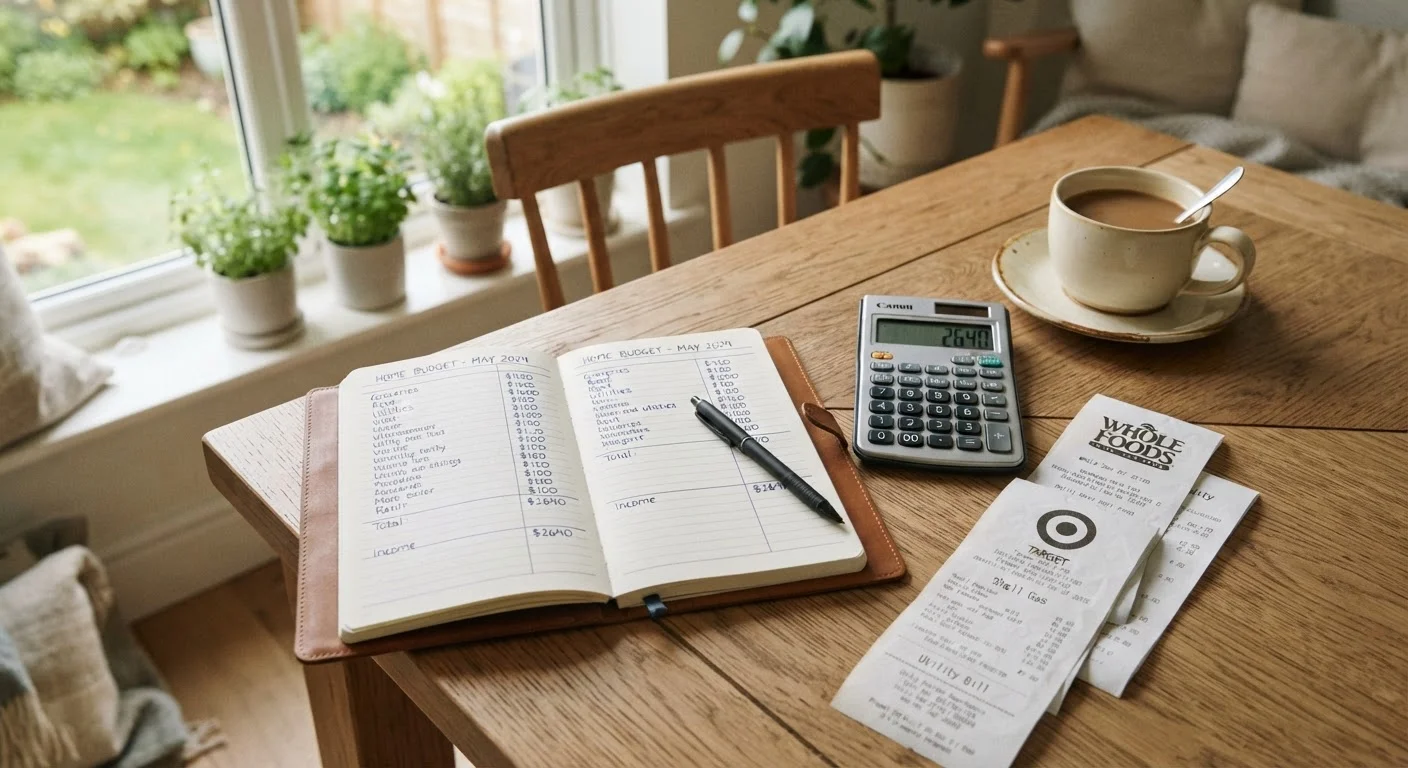
A home repair budget that is never reviewed stops working. After each project or repair, record the actual cost next to your original estimate. Over 12 months, patterns appear: you may consistently underestimate labor, or regularly overbudget materials. Those patterns make next year's planning more accurate.
Keep receipts for every significant repair. Beyond helping you track spending, they document work done for insurance purposes and for future buyers. A simple folder, physical or digital, works fine. Some families log expenses in a spreadsheet; others use a notes app. The tool matters less than the habit of recording within a day or two while the details are fresh.
Small upgrades done alongside repairs often generate real savings. Low-cost improvements that affect comfort and utility bills are worth considering when a contractor is already on site, since combining work can reduce total labor cost.
For a broader view of how spending habits shape household finances, patterns that quietly undermine a family's financial comfort offers useful context beyond the home category alone.