

Key Takeaways
The false economy of cutting corners
Every family has done it: bought the cheapest caulk at the hardware store, skipped a professional assessment, or patched something visible while ignoring what caused the problem. These decisions feel responsible in the moment. The math looks simple. But home systems are connected, and a shortcut in one place frequently produces a failure in another.
This article covers the most common cheap-fix mistakes, why they tend to happen, and what to do instead. The goal is not to push expensive solutions but to help families spend money once rather than twice or three times on the same problem. See our home repair budgeting guide for a framework that accounts for quality from the start.
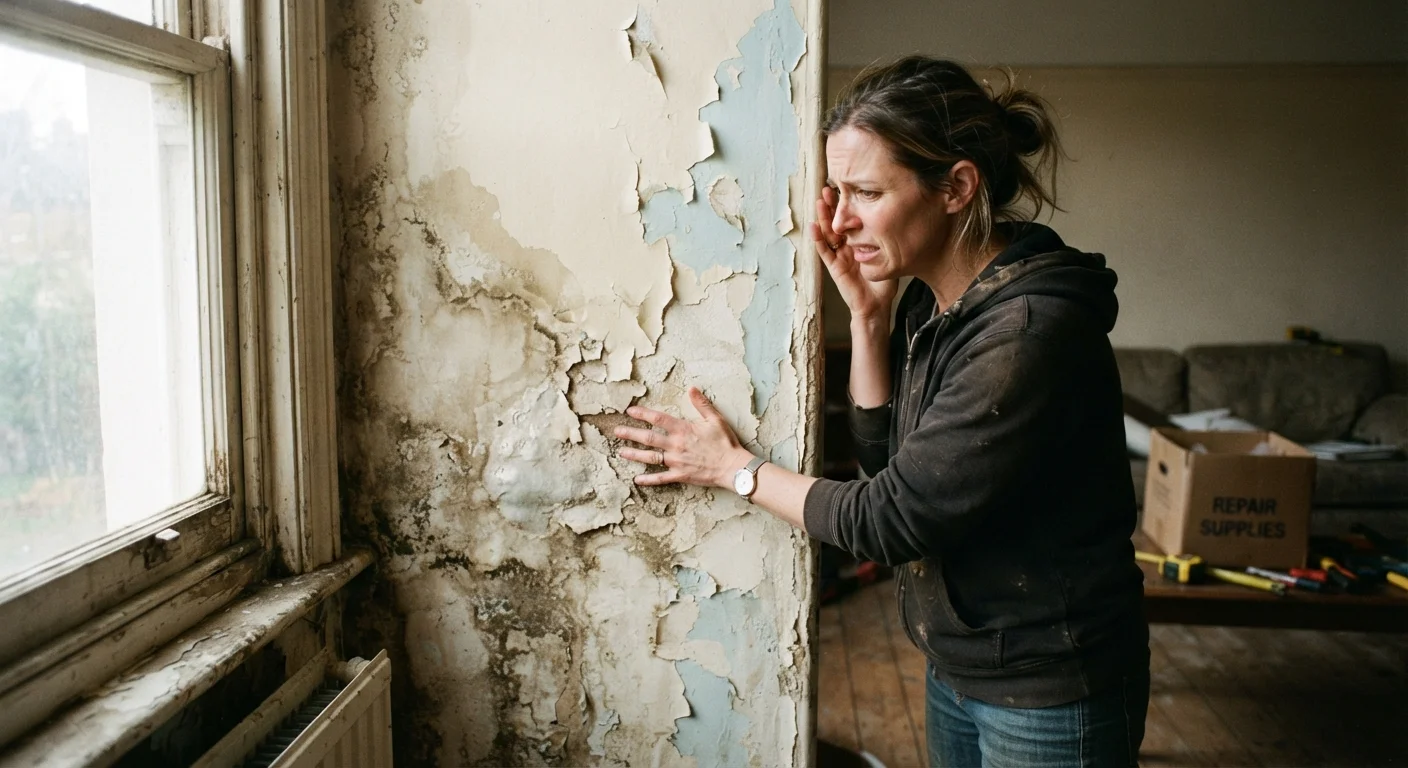
Using a surface patch to hide an active moisture problem.
Why it happens: Water stains and soft drywall are visible and easy to address cosmetically. Finding the moisture source requires more investigation and often a professional.
Choosing the cheapest available material for a high-stress application.
Why it happens: Price is the most visible difference on the shelf, and the failure mode of a cheap material is invisible until it occurs, sometimes years later.
Skipping permits on regulated work to save the fee and avoid inspection.
Why it happens: Permit fees feel like extra overhead, and the inspection process takes time. Homeowners who have done similar work before may assume compliance is straightforward.
Attempting complex system repairs, such as electrical or gas work, without the required skills or licensure.
Why it happens: Online tutorials make technical repairs look accessible, and labor costs for licensed tradespeople are a real financial pressure for many families.
Replacing a component that has failed repeatedly without diagnosing why it keeps failing.
Why it happens: Replacing a visible failed part is faster and cheaper in the short term than a full diagnostic. The recurrence pattern can take months to become obvious.
When cheap materials compound the damage
Material quality matters most in high-stress applications: exterior caulk that flexes through temperature cycles, fasteners in load-bearing assemblies, waterproofing membranes behind tile. A low-grade product in one of these spots does not just fail sooner; it often fails in a way that damages the surrounding structure. Replacing rotted subfloor because the wrong caulk let moisture through costs far more than the price difference between caulk grades.
The small upgrades with real impact guide shows where low-cost improvements genuinely hold up, which is a useful contrast to the situations above where material grade is the deciding factor.
Low-grade caulk and sealant in wet areas
Standard paintable caulk is not rated for continuous moisture exposure. Used around a tub surround or exterior window frame, it can fail within a single season, allowing water behind the substrate. Once moisture reaches framing or subflooring, the repair scope expands well beyond re-caulking. Use products specifically rated for the application, and replace sealants on a schedule rather than waiting for visible failure.
Sorting out which jobs tolerate economy materials and which do not is a core skill for home budgeting. Our DIY vs. hiring a pro framework walks through that assessment in detail, covering skill level, safety risk, and true cost side by side.
Permits, codes, and the cost of skipping them
Unpermitted work on regulated systems, including electrical panel upgrades, structural changes, and certain plumbing connections, can void homeowner's insurance claims, complicate a home sale, and require expensive teardown and redo by a licensed contractor. The permit fee feels like a pure cost. In practice, it funds an inspection that catches errors before they become hazards or liabilities.
Local requirements vary, so always verify what your jurisdiction requires before starting any regulated project. The home maintenance myths article covers several related misconceptions about what inspections actually catch and why skipping them tends to backfire.
Treating symptoms without addressing causes
Painting over a water stain without finding the leak, sealing a crack without addressing settling, or replacing a breaker that keeps tripping without investigating the circuit load are all versions of the same mistake. The visible problem disappears temporarily, and the underlying issue keeps progressing, usually in a less accessible and more expensive place.
Before any cosmetic fix, spend time confirming there is no active cause. A visible stain on drywall, for example, can indicate a slow plumbing leak, condensation from an HVAC issue, or a roof penetration failure. Each has a different repair path, and only one involves drywall at all.
For families weighing whether a repair warrants professional diagnosis versus a self-directed fix, the buying less vs. buying better tradeoff guide offers a useful decision lens that applies directly to repair spending as well as purchases.
~40%
Home insurance claims denied due to maintenance neglect
Industry guidance from insurance trade groups consistently cites deferred maintenance and unpermitted alterations as leading reasons residential claims are disputed or reduced.
2x-4x
Cost multiplier for water damage left unaddressed
The longer moisture intrusion goes unrepaired, the more structural material it affects; remediation contractors commonly report that delayed repairs multiply total costs significantly compared to immediate intervention.